

Now Reading: The RPA revolution: Automating mundane tasks without writing code
-
01
The RPA revolution: Automating mundane tasks without writing code

Welcome back, curious readers! If you’ve ever found yourself drowning in repetitive tasks those little chores that chip away at your day but don’t exactly spark creativity or joy this week’s deep dive is just for you. We’re unpacking the fascinating world of Robotic Process Automation (RPA), a technology that’s quietly transforming the way we work by automating routine tasks without needing a single line of code.
Whether you’re a business professional, a manager, or just someone intrigued by tech that actually simplifies life, stick around. By the end, you’ll understand how RPA is revolutionizing workflows, making tedious jobs easier, and possibly saving you hours of manual effort all with tools designed for humans, not just programmers.
What is RPA, and why should you care?
At its core, robotic process automation refers to software “robots” that mimic human actions when interacting with digital systems. Think of it as having a virtual assistant who can click, copy, paste, and fill out forms across various applications exactly the way you do but tirelessly and without mistakes.
The real magic? Modern RPA platforms make it possible to configure these bots using intuitive drag-and-drop interfaces or visual workflows. This means you don’t have to be a developer or write complex scripts to automate those mind-numbing tasks. The barrier to entry has never been lower, opening up automation to everyone from small business owners to busy office workers.
The everyday tasks you didn’t know could be automated
Some of the classic examples of RPA use cases are surprisingly simple, yet transformative:
- Data Entry and Extraction: Gathering information from emails, websites, or documents and putting it into spreadsheets or databases something many of us do daily can be automated to save hours.
- Invoice Processing: Automatically reading invoices, matching data against purchase orders, and triggering payments without human intervention reduces errors and speeds up finance operations.
- Customer Service Support: Bots can handle routine inquiries, update records, and escalate only the tricky issues to humans, freeing up your support team to focus on what really matters.
- Report Generation: Instead of hunting down data across multiple systems, RPA tools can compile everything into neat reports automatically.
What’s exciting here is that, with no coding required, you don’t need to rely on IT departments or expensive consultants. If you know the process well and you probably do you’re already halfway to building your own automation.
How does non-coding automation work in practice?
When you hear about automation, your mind might jump to complicated algorithms or AI-powered systems. While RPA can be quite sophisticated, many of the no-code platforms focus on visual flow builders. Imagine plotting out a map of your task:
- Step 1: Open an email and download an attachment.
- Step 2: Extract the relevant data fields
- Step 3: Input that data into a template or database
- Step 4: Send a confirmation email
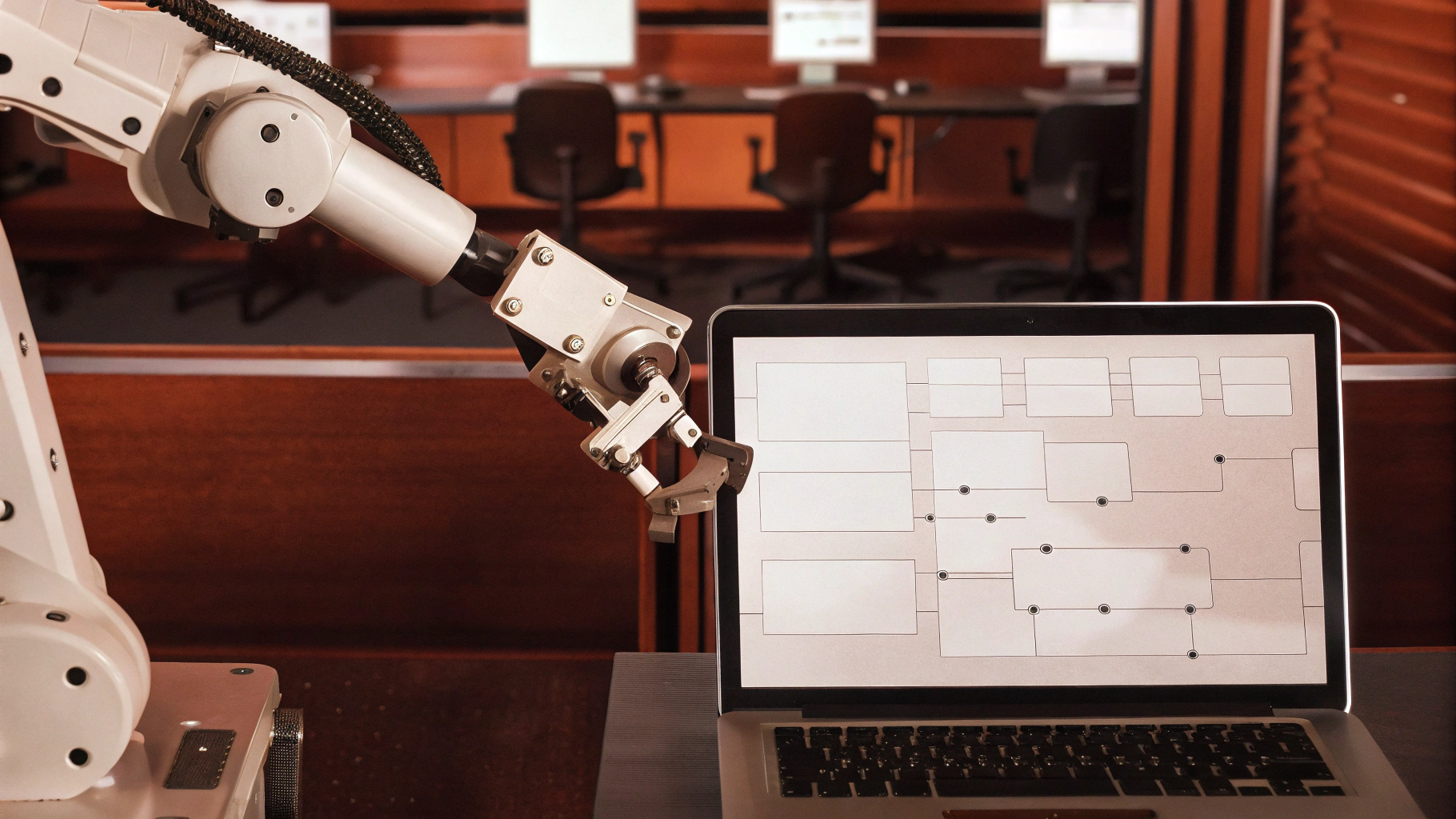
Each step is represented as a block or node you can drag around, tweak, and link logically. Behind the scenes, the platform takes care of converting that flow into actions, executing them reliably and repeatedly. It’s like building with digital LEGO blocks instead of strings of code.
Why it’s gaining so much traction now
You might wonder why RPA has suddenly exploded in popularity. A few factors come into play:
- Remote Work and Hybrid Models: As many of us shifted to remote environments, automating routine tasks became essential to maintain productivity without constant manual oversight.
- Cost Efficiency: Automation reduces errors and speeds up turnaround times, translating directly into cost savings for companies of all sizes.
- Accessibility of Tools: The no-code movement is reshaping tech. RPA platforms have lowered the technical barrier, inviting more people to explore and implement automation.
- Scalability: You can start by automating just a few tasks and expand as you go, making it a flexible approach that adapts to your needs and budget.
Getting started: A few tips for beginners
If you’re tempted to jump on the RPA bandwagon but feel a bit unsure where to begin, here are some friendly pointers:
- Start Small: Pick one repetitive task that eats up your time. It can be something straightforward like downloading attachments or compiling data.
- Map Your Process: Break down every step as clearly as possible. Automation thrives on predictability.
- Choose the Right Tool: Look for platforms that offer free trials or community editions. Friendly user interfaces and good tutorials make all the difference.
- Test Thoroughly: Run your automation in a controlled environment. When things go wrong (and they might), you want to catch issues early.
- Don’t Forget Human Touch: Automation is about liberation, not replacement. Let the bots handle the grunt work so you can focus on creativity, problem-solving, and strategy.
A window into the future
RPA is just one piece of a broader puzzle called Intelligent Automation, which blends AI, machine learning, and process mining to build smart, self-optimizing workflows. But its no-code roots mean it will keep democratizing automation for years to come.
Imagine a world where anyone no matter their technical background can streamline their daily work just by configuring software robots. It doesn’t replace the human workforce; instead, it enhances how we work by letting us spend more time on what truly matters: innovation, connection, and growth.



[…] Also read: The RPA revolution: Automating mundane tasks without writing code […]
[…] Also read: The RPA revolution: Automating mundane tasks without writing code […]
[…] Also read: The RPA revolution: Automating mundane tasks without writing code […]
[…] Also read: The RPA revolution: Automating mundane tasks without writing code […]
[…] Also read: The RPA revolution: Automating mundane tasks without writing code […]
[…] Also read: The RPA revolution: Automating mundane tasks without writing code […]
[…] Also read: The RPA revolution: Automating mundane tasks without writing code […]
[…] Also read: 5 Crazy AI tools that feel illegal to use (But aren’t!) […]
[…] Also read: How AI will replace 10 popular jobs by 2030 (And what comes next) […]