Now Reading: Should Neural models decide punishment? A risky proposition
-
01
Should Neural models decide punishment? A risky proposition

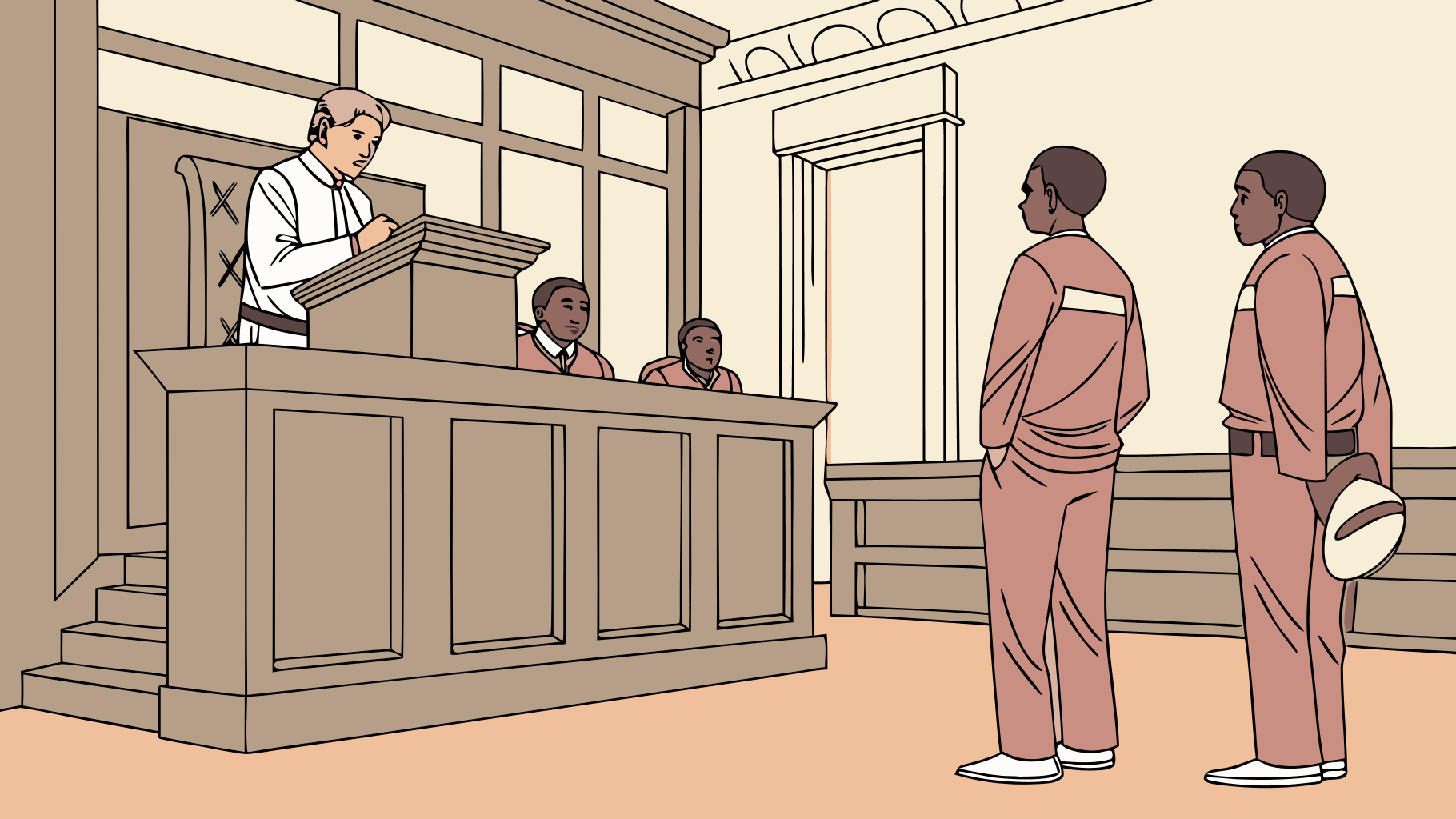
The idea of leveraging the seemingly objective power of neural networks to assist in judicial decision-making, particularly concerning punishment, is a topic that sparks intense debate. On the surface, the promise of reducing human bias and ensuring consistent sentencing seems appealing. However, a deeper look reveals a minefield of ethical, practical, and philosophical challenges that suggest we should be extremely cautious, if not outright resistant, to allowing AI to determine punishment.
The inherent bias problem, amplified
We’ve already touched upon the perils of bias in neural networks. When applied to the justice system, this issue becomes terrifyingly potent. Historical criminal justice data, which would serve as the training ground for any AI punishment model, is riddled with systemic biases against marginalized communities. Socioeconomic disparities, racial profiling, and unequal access to legal representation have all contributed to skewed sentencing patterns. If we feed this biased data into a neural network, the AI won’t magically become fair. Instead, it will learn and replicate those very biases, automating and entrenching injustice at scale. An algorithm that predicts a higher recidivism risk for certain demographic groups, for instance, would effectively codify and perpetuate discriminatory sentencing. This isn’t just a theoretical concern; existing risk assessment tools used in some jurisdictions have already faced severe criticism for exhibiting racial bias.
The Black Box dilemma and lack of transparency
One of the defining characteristics of complex neural networks is their “black box” nature. While they can produce accurate predictions, understanding why they arrived at a particular decision is often incredibly difficult, even for their creators. This lack of transparency is fundamentally incompatible with the principles of justice. In a fair legal system, the reasoning behind a sentence must be clear, explainable, and open to challenge. A defendant has the right to understand why they are being punished and to appeal that decision. If a neural model suggests a specific punishment, and the explanation is merely “the algorithm determined it,” that’s an unacceptable erosion of due process. We cannot appeal to a black box. The inability to scrutinize the decision-making process means we cannot identify errors, challenge biases, or hold the system accountable.
Beyond data: The nuance of human experience
Punishment is not merely a mathematical equation. It involves complex considerations of human dignity, rehabilitation potential, mitigating circumstances, and the unique context of each individual case. A neural network, no matter how sophisticated, operates solely on patterns in historical data. It cannot comprehend empathy, remorse, the impact of trauma, or the potential for personal growth in the same way a human judge, flawed as they may be, can attempt to.
Judges and juries bring moral reasoning, societal values, and an understanding of human fallibility to their decisions. Reducing such profound ethical dilemmas to a set of data points risks dehumanizing the justice system entirely. It strips away the very elements that make our legal framework a reflection of societal values, however imperfectly.
Accountability and the erosion of human responsibility
If a neural model makes a sentencing recommendation that leads to an unjust outcome, who is accountable? The programmers? The data scientists? The judge who rubber-stamped the AI’s suggestion? The diffuse nature of responsibility in AI decision-making can create a dangerous accountability vacuum.
Furthermore, relying on AI for punishment risks eroding the moral responsibility of human actors within the justice system. It could lead to a passive acceptance of algorithmic outputs, diminishing the critical thinking and ethical deliberation that are essential for fair sentencing.
A bridge too far
While AI has immense potential to augment human capabilities in various fields, the domain of criminal punishment represents a bridge too far for autonomous neural decision-making. The stakes are too high, the risks of bias and injustice too profound, and the fundamental requirements for transparency, accountability, and human nuance are too incompatible with current AI limitations. Instead of seeking to replace human judgment in sentencing, our efforts should focus on using AI as a tool to identify and mitigate human biases in the existing system, to provide judges with better information, and to ensure greater consistency and fairness – all while keeping the ultimate decision-making power firmly in human hands. The pursuit of “objective” punishment via AI risks creating a far more unjust and inhumane system.