

Now Reading: Data ethics 101: Preventing bias at the source of the algorithm | Responsible data governance & ethics
-
01
Data ethics 101: Preventing bias at the source of the algorithm | Responsible data governance & ethics
Data ethics 101: Preventing bias at the source of the algorithm | Responsible data governance & ethics

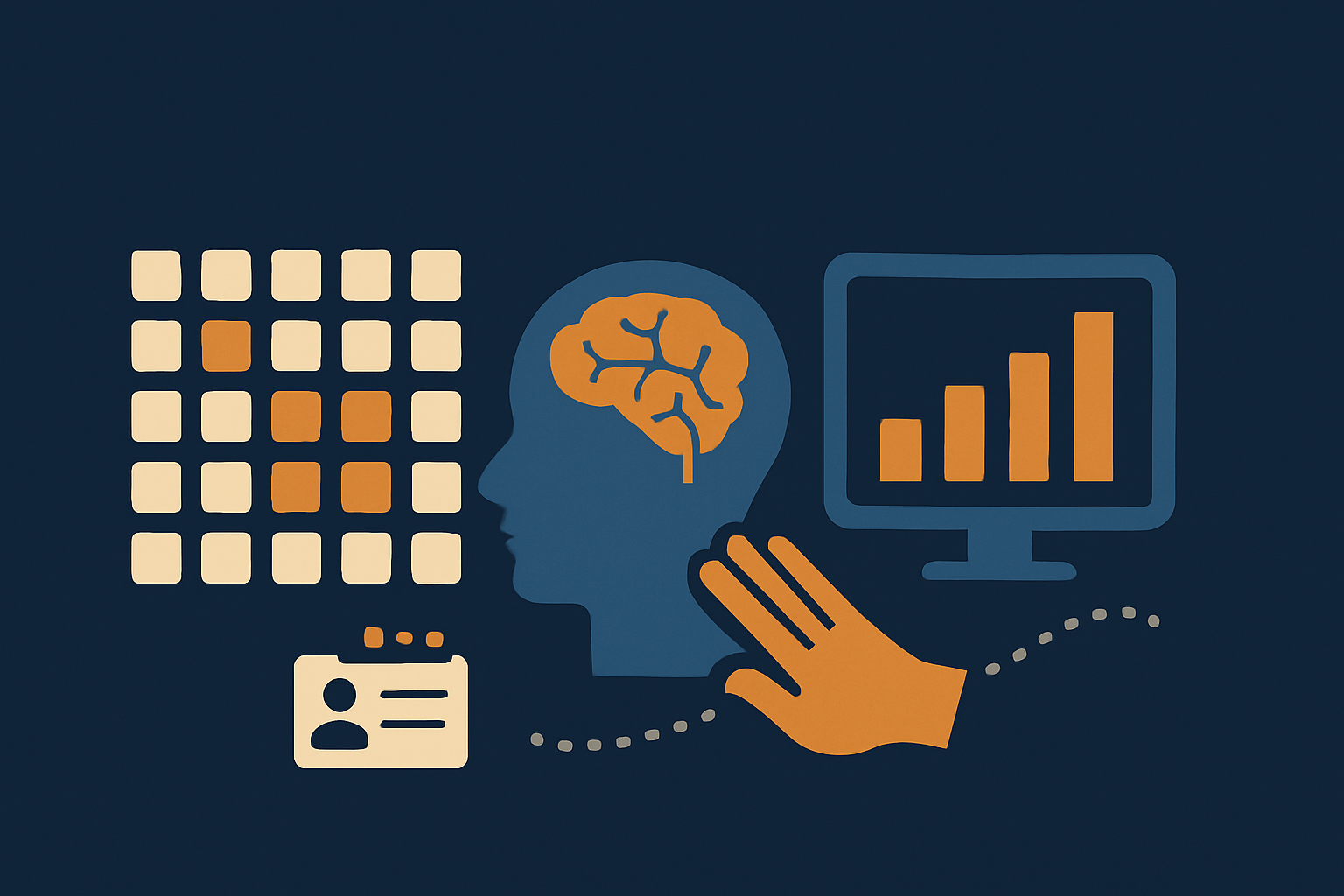
Artificial Intelligence may power the world’s most advanced systems, but beneath every prediction, classification, and decision lies one critical variable: ethical data. As AI becomes embedded in finance, healthcare, education, hiring, law enforcement, and nearly every digital system we interact with daily, the stakes have never been higher. A model trained on biased or ungoverned data can replicate those harmful patterns at scale, turning small dataset flaws into real-world consequences.
This is why data ethics, bias prevention, data governance, and responsible AI practices have become urgent priorities for governments, enterprises, and AI builders alike. Fair AI, grounded in data ethics, is no longer optional; it is a foundational requirement to ensure that algorithms benefit society rather than cause harm.
In this article, we explore how bias forms, how data governance prevents it, and how ethical practices stop algorithmic discrimination at the source, before AI ever reaches deployment.
AI systems are only as ethical as their training data. If the data contains stereotypes, imbalance, or exclusion, the algorithm learns those patterns and magnifies them.
Real examples:
- Hiring systems down ranking women because past records favored men
- Facial recognition struggling on darker skin tones
- Credit scoring models linking financial risk to certain zip codes
- Predictive policing sending patrols to the same minority neighborhoods again and again
These are not machine errors, they are data errors created earlier in the lifecycle.
Bias comes from humans, not algorithms. That means humans can prevent it.
Bias enters quietly through multiple layers of the data pipeline.
Biased data collection: Training data may be incomplete or unbalanced.
Examples:
- Medical data that overrepresents one gender
- Image datasets lacking diversity in skin tone
- Text datasets built mostly from Western sources
If data does not reflect reality, models will not either.
Historical bias in the data: Social bias from the past becomes digital bias in the present.
Examples:
- Hiring histories that reflect old discrimination
- Crime records shaped by biased policing
- Academic datasets excluding marginalized groups
AI does not question history, it amplifies it.
Labeling bias from humans: Annotators have their own unconscious assumptions.
Examples:
- Emotional labels influenced by gender or accent
- Subjective misinterpretation of dialects
- Tone classification shaped by personal views
Small mistakes multiply across millions of samples.
Algorithmic bias during training: Models may accidentally strengthen unfair patterns.
Examples:
- Favoring majority classes
- Overfitting narrow patterns
- Unequal errors on different demographic groups
Bias must be monitored continuously, not treated as an afterthought.
Also read: The RPA revolution: Automating mundane tasks without writing code

Data governance establishes accountability in the ways information is collected, stored, and utilized within an organization. By implementing structured governance frameworks grounded in data ethics, organizations can ensure that data management practices align with legal, ethical, and operational standards. Key components of effective data governance include:
- Data quality standards: These are specific criteria and guidelines that ensure the accuracy, consistency, and reliability of data throughout its lifecycle. Regular audits and validation processes are essential for maintaining high data quality.
- Documentation and transparency: Comprehensive documentation practices provide clarity on how data is processed, maintained, and accessed. This includes maintaining detailed records of data sources, methodologies, and changes, thereby fostering transparency and understanding among stakeholders.
- Ethical reviews: Conducting ethical reviews is crucial to ensure that data collection and usage practices adhere to established data ethics standards. This involves evaluating the potential impacts on individuals and communities and ensuring that informed consent is obtained where applicable.
- Secure handling of sensitive information: Organizations must implement robust security measures to protect sensitive data from unauthorized access and breaches. This includes encryption, data masking, and strict access controls to safeguard personal and confidential information.
- Dataset version control: Keeping track of different versions of datasets is essential for data integrity and historical reference. Establishing clear versioning protocols allows teams to manage changes, ensuring that users are always working with the most updated and relevant data.
- Access management and audits: Implementing effective access control mechanisms is vital to restrict data access to authorized personnel only. Regular audits of data access and usage help to identify any potential breaches or misuse, ensuring compliance with internal policies and external regulations.
By focusing on these elements, organizations can create a robust data governance framework that not only enhances data management practices but also builds trust among stakeholders and promotes responsible data usage.
Transparency in data sources:
It is crucial for teams to have a clear understanding of data provenance and context. They must know:
- Where the data originated: Understand the specific sources of the data, whether it is collected from surveys, sensors, or public databases.
- Why the data was collected: Learn the purpose behind data collection, such as for research, product development, or demographic analysis.
- What limitations it carries: Recognize the potential biases, gaps, or inaccuracies inherent in the data, including time-bound relevance or regional applicability.
Failing to acknowledge these factors in hidden datasets can lead to unintentional harm, perpetuating existing inequalities.
Data minimization and purpose limitation
Organizations should adopt a data ethics–driven policy of collecting only the data that is necessary for specific tasks. For example, in developing a hiring model, it is essential to avoid collecting sensitive information such as:
- Religion: No need to know an applicant’s religious affiliation, as it should not influence hiring decisions.
- Caste or ethnicity: This information can introduce bias and should be excluded to promote fairness.
- Marital status: Irrelevant to job performance and might introduce stigma.
- Neighborhood identifiers: These can inadvertently reveal socioeconomic status and lead to discriminatory practices.
By emphasizing data minimization, organizations can reduce the risk of producing biased or discriminatory outcomes in their processes.
Fair representation and diverse sampling
Data should encompass a wide array of voices and perspectives to ensure fairness. Inclusion factors that need to be represented include:
- Age: Incorporating different age groups can yield insights that apply to a broader audience.
- Gender: Ensuring gender diversity helps in removing gender bias from predictions.
- Ethnicity: A representative sample reflects the various ethnic groups within the population.
- Region: Including data from different geographic areas ensures that results are not skewed toward a particular region.
- Income level: Understanding the economic diversity can help tailor services and products to different demographics.
- Language and accent: Recognizing linguistic diversity helps create AI systems that are sensitive to users from various backgrounds.
A diverse dataset not only enhances the robustness of predictions but also fosters inclusivity.
Strong data quality standards
Good-quality data is characterized by several attributes that must be upheld:
- Accuracy: Data should correctly represent what it claims to measure, with minimal errors.
- Consistency: Information must be reliable across different datasets and time periods.
- Completeness: Data should include all necessary elements without significant gaps.
- Standardization: Employing consistent formats allows for easier integration and analysis.
- Freed from duplicates and corruption: Regular checks must be conducted to maintain data integrity.
High-quality inputs empower organizations to build equitable and effective models.
Continuous monitoring and auditing
After deploying AI and machine learning models, it is vital to continuously monitor their performance, with a focus on:
- Performance drift: Tracking changes in model accuracy over time to detect when retraining may be necessary.
- Bias increases: Analyzing outcomes to ensure that groups are treated equitably and that no new biases emerge.
- Unequal error rates across groups: Identifying and addressing any discrepancies in error rates that may disadvantage certain demographics.
- Changing societal patterns: Keeping abreast of shifts in societal norms that could impact data relevance and model performance.
AI must be able to adapt responsibly, ensuring fairness is maintained throughout its lifecycle.
Preventing bias at the source
Bias prevention requires a proactive and ongoing approach rather than a reactive fix.
Design inclusive data pipelines
Before collecting data, organizations should plan for diversity and representation. Strategies to implement include:
- Identifying missing groups: Conducting thorough research to identify underrepresented segments in datasets.
- Using multiple data sources: Aggregating data from various origins minimizes reliance on a singular perspective.
- Avoiding convenience sampling: Ensuring that samples are randomly selected rather than taken from readily available sources, which may skew results.
- Involving experts to detect bias early: Stakeholders with domain expertise can provide valuable insights into potential biases during the data collection phase.
Diversity should be an integral part of the initial data collection strategy.
Achieving a balanced dataset is crucial for fair model outcomes. Techniques to ensure balance include:
- Down-sampling dominant classes: Reducing the number of instances for majority classes to balance the dataset.
- Up-sampling minority cases: Increasing representation for minority classes through duplication or other methods to ensure all groups are adequately represented.
- Removing harmful variables: Analyzing and eliminating variables that might introduce bias into the model.
- Rebalancing with SMOTE (Synthetic Minority Over-sampling Technique): Generating synthetic examples for underrepresented classes to ensure better representation.
- Normalizing distributions: Adjusting the dataset so that it follows a consistent distribution, reducing any skewness.
By cleaning data and ensuring balance, organizations can create models that provide fair and equitable outcomes.
The way data is labeled immensely shapes the learning environment for AI algorithms. Best practices for ethical labeling include:
- Cultural sensitivity training: Providing annotators with training to recognize and avoid cultural biases in their labeling decisions.
- Clear, context-aware instructions: Developing comprehensive guidelines that help annotators understand the context and intended use of the data they label.
- Using multiple annotators per item: Involving several annotators for each data point can enhance reliability and reduce individual bias.
- Disagreement tracking and audits: Monitoring areas of disagreement among annotators and conducting regular audits to maintain quality and integrity.
As labels play a critical role in defining AI intelligence, the labeling process must be carried out with meticulous care.
Evaluating models for fairness should involve tracking a variety of metrics to understand equity. These metrics may include:
- Opportunity difference: Assessing the difference in opportunities afforded to various demographics within the model.
- Demographic parity: Ensuring that outcomes are distributed proportionately across different demographic groups.
- Disparate impact ratio: Measuring the impact of decisions relatively across groups to identify any disproportionate effects.
- Balanced error rates: Evaluating whether error rates in predictions are consistent across different groups to prevent bias.
Utilizing these metrics helps unveil hidden discrimination within models, ensuring ethical outcomes.
AI systems should not operate without adequate human oversight. Measures for effective oversight include:
- Governance committees: Establishing committees to oversee AI development and deployment, ensuring compliance with ethical standards.
- Review checkpoints: Implementing structured review processes at various stages to assess model performance and compliance.
- Escalation processes for risky outcomes: Setting up protocols for escalating concerns or adverse outcomes to human decision-makers for review.
Human oversight is essential to ensure that AI systems align with ethical standards and societal values, keeping accountability at the forefront of AI deployment.
Government laws for maintaining data ethics:
Governments are enforcing fairness with new laws:
- EU AI Act
- India Digital Personal Data Protection Act
- US Algorithmic Accountability Act
- OECD AI Principles
- ISO AI management standards
Ignoring responsible AI invites penalties and reputational harm.
Ethics and innovation work together.
Benefits of responsible data:
- Better accuracy
- Reliable decisions
- Customer trust
- Lower legal risk
- Stronger brand reputation
Ethical AI is smarter AI.
The era of “move fast and break things” is drawing to a close. As we step into the future, it is imperative that artificial intelligence embodies transparency, fairness, and accountability in all its processes. To truly combat bias, it must be addressed at the very foundation of the dataset, ensuring that harmful patterns are identified and corrected before they can cause real-world harm.
We need teamwork from:
- Scientists
- Annotators
- Policy makers
- Domain specialists
- Ethicists
- Engineers
- Business leaders
This collaboration builds trustworthy intelligence.
Bias is not predetermined. By prioritizing data ethics and ethical data collection, establishing robust governance, and performing thorough fairness checks, organizations can harness AI to be more beneficial and inclusive for all. When the foundation of the dataset is rooted in ethics and data ethics principles, the resulting intelligence will reflect those values, leading to a more equitable future.