

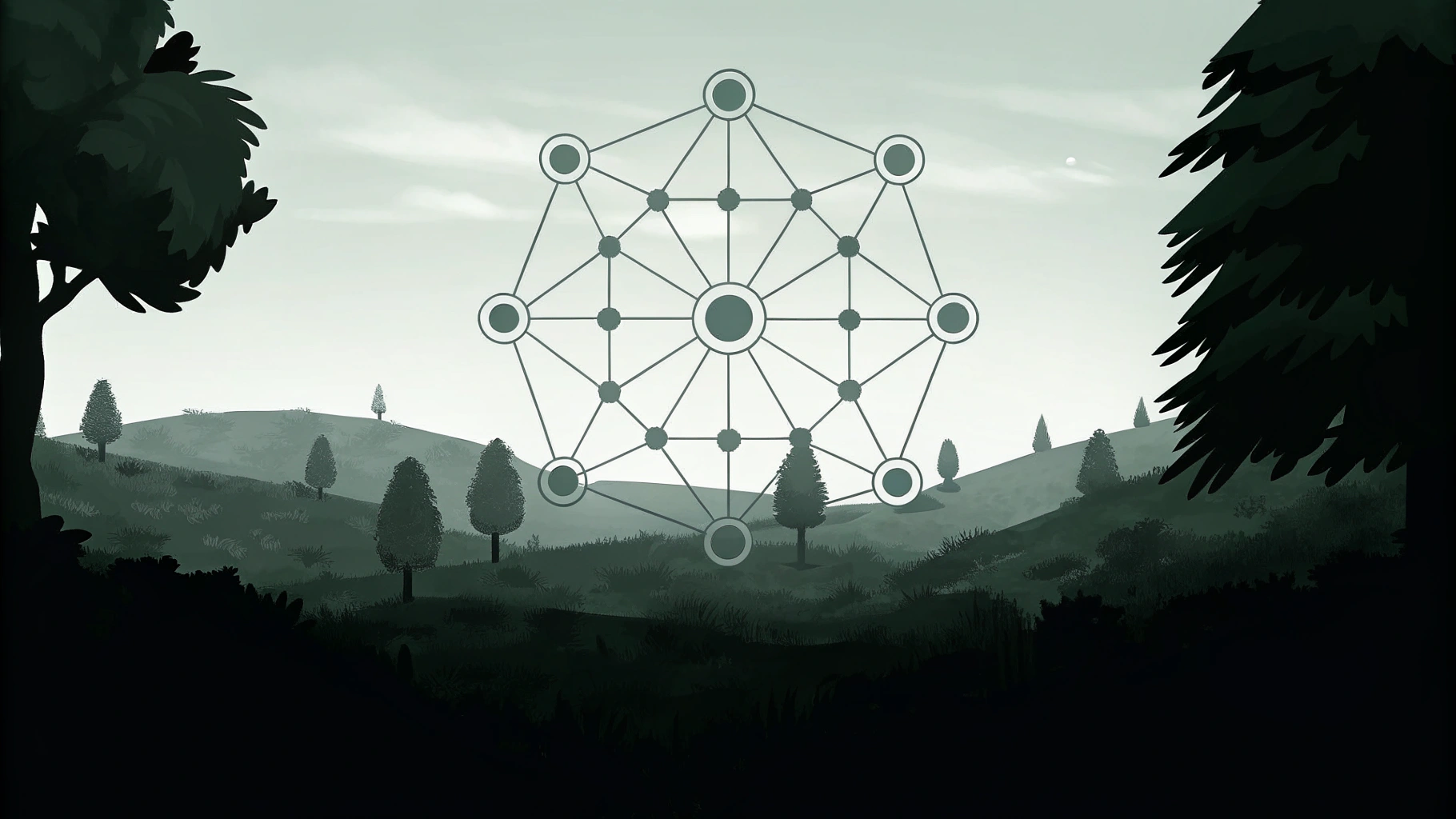
Neural networks sound complex like something straight out of a science fiction movie. But here’s the secret: neural networks aren’t as complicated as they seem. At their core, they’re simply systems

Neural networks sound complex like something straight out of a science fiction movie. But here’s the secret: neural networks aren’t as complicated as they seem. At their core, they’re simply systems

Artificial Intelligence is rapidly reshaping the modern world, influencing how decisions are made across multiple industries. From automating routine processes to supporting complex decision-making, AI has become deeply embedded in
Artificial Intelligence (AI) has rapidly evolved from a futuristic concept to a tangible force shaping our daily lives. From personalized recommendations on streaming platforms to autonomous vehicles and medical diagnostics,
The artificial intelligence landscape in 2025 looks very different from just a few years ago. AI tools are no longer judged only by how fluent their answers sound, but by
Artificial intelligence is no longer limited to understanding text alone. Modern AI systems are moving toward a more human-like way of interacting with the world, where information comes not just

Artificial intelligence has quickly moved from being a futuristic concept to something people use every day, and ChatGPT is one of the most visible examples of this shift. From writing

For decades, when you typed a question into the internet, you got back a list of blue links. That was the contract. Google, the ultimate digital librarian, pointed you to

Writer’s block? Exhausted by endless research? You’re not alone. The world of blogging is constantly demanding fresh, high-quality content. The good news is, you now have an incredibly powerful assistant:

In the architecture of a Neural Network (NN), the weights often steal the spotlight. They represent the importance of each input, and their adjustment is the core mechanism of learning.

Neural Networks (NNs) are at the forefront of artificial intelligence, powering everything from image recognition to natural language processing. But how do these intricate systems actually work? How do they