Now Reading: AI errors: 6 Industries most at risk
-
01
AI errors: 6 Industries most at risk

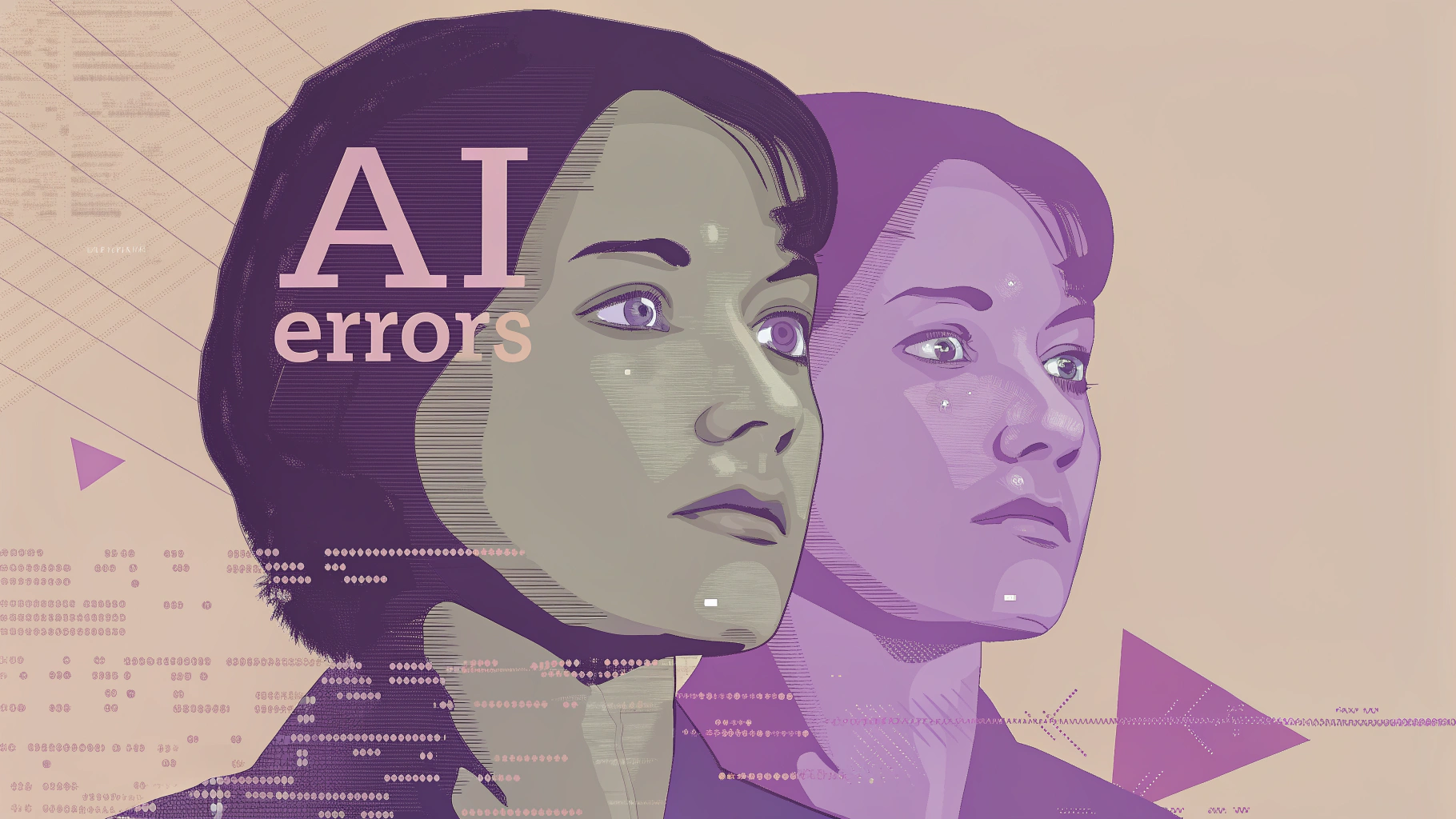
Artificial Intelligence is rapidly reshaping the modern world, influencing how decisions are made across multiple industries. From automating routine processes to supporting complex decision-making, AI has become deeply embedded in everyday operations. While AI systems offer speed, efficiency, and scalability, they are not free from mistakes. AI Errors often arise due to biased datasets, flawed algorithms, insufficient training, or excessive reliance on automated outputs without human verification. In certain industries, even a small AI error can lead to serious consequences, making these sectors particularly vulnerable to long-term damage and public mistrust.
Healthcare stands at the top of the list when it comes to risk from AI Errors. AI-powered systems are increasingly used to analyze medical images, predict diseases, assist in early diagnosis, and recommend treatment plans. These technologies have the potential to save lives, but they also introduce new risks when errors occur. If an AI system is trained on incomplete, outdated, or biased medical data, it may produce incorrect diagnoses or misleading treatment suggestions. Such AI Errors can delay proper care, lead to incorrect medication prescriptions, or even endanger patient lives. This is why healthcare professionals strongly emphasize the importance of human oversight, ethical guidelines, and continuous monitoring alongside AI systems to ensure patient safety.
The finance and banking industry is another sector highly exposed to AI Errors. Financial institutions rely heavily on AI for credit scoring, fraud detection, risk assessment, and automated trading systems. While AI improves efficiency and reduces manual workload, errors in financial AI models can have widespread consequences. When AI systems misinterpret data, they may falsely flag legitimate transactions as fraudulent or unfairly deny loans to eligible applicants. In high-frequency trading environments, even a brief AI malfunction or decision-making error can trigger massive financial losses and cause market instability within seconds. These AI Errors not only affect institutions but can also erode consumer trust and raise concerns about fairness and transparency.
Transportation, particularly autonomous vehicles, faces significant challenges when AI Errors occur. Self-driving cars and AI-assisted traffic systems depend on real-time data processing to identify pedestrians, road signs, vehicles, and unexpected obstacles. An AI error caused by poor visibility, unusual weather conditions, sensor malfunction, or software bugs can result in accidents. Since these systems operate in unpredictable real-world environments, even minor misjudgments can have life-threatening consequences. As a result, AI Errors in transportation raise serious ethical and legal questions about responsibility, safety standards, and the readiness of autonomous technology for widespread adoption.
The legal and judicial system is also increasingly affected by AI Errors as technology becomes more involved in legal processes. AI tools are now being used to assist with legal research, analyze case law, predict outcomes, and even recommend sentencing decisions in some regions. While these systems can improve efficiency, they also carry the risk of reinforcing existing biases found in historical legal data. When AI relies on such biased information, AI Errors may lead to unfair sentencing recommendations or incorrect legal interpretations. Errors in this sector do not merely reduce efficiency; they can directly affect individual rights, freedom, and access to justice, making transparency and accountability essential.
Manufacturing and industrial automation depend heavily on AI-driven machines to manage production lines, perform quality inspections, and predict equipment failures. AI systems help manufacturers optimize operations and reduce costs, but AI Errors in this sector can be extremely disruptive. If AI misinterprets sensor data or makes incorrect predictions, the result may include defective products, machinery damage, or safety hazards for workers. Such AI Errors can disrupt supply chains, increase operational downtime, and lead to significant financial losses. In industries where precision is critical, even small miscalculations can have large-scale consequences.
Cybersecurity and defense represent some of the most critical areas where AI Errors can be dangerous. AI systems are widely used to detect cyber threats, monitor network behavior, analyze attack patterns, and respond to security incidents in real time. While AI enhances threat detection capabilities, it is not immune to mistakes. A failure to detect a genuine cyberattack or an AI Error that generates false alarms can shut down essential systems, expose sensitive data, or weaken national security infrastructure. In defense-related applications, misclassification of threats due to AI Errors can escalate conflicts, trigger unnecessary responses, or lead to incorrect strategic decisions with global implications.
Beyond individual industries, AI Errors also raise broader concerns about accountability and trust in automated systems. As organizations increasingly rely on AI-driven decisions, determining responsibility for errors becomes more complex. Was the mistake caused by flawed data, poor system design, lack of oversight, or misuse of the technology? These questions highlight the importance of governance frameworks, regulatory standards, and ethical AI practices. Without proper safeguards, AI Errors can scale rapidly, affecting millions of people simultaneously.
Also read: 5 Crazy AI tools that feel illegal to use (But aren’t!)
Managing AI errors responsibly
In conclusion, while Artificial Intelligence offers remarkable advantages and continues to drive innovation across sectors, it also introduces new forms of risk, often referred to as neural risks. These risks emerge when AI systems operate without sufficient transparency, human supervision, or ethical consideration. AI Errors serve as a reminder that technology should not replace human judgment entirely, especially in industries where the stakes are high. Responsible AI deployment, regular system audits, unbiased data collection, and strong human oversight are essential to minimizing errors. When used correctly, AI should enhance human decision-making rather than replace it, ensuring progress without compromising safety, fairness, or trust.
5 Critical scenarios where AI could go wrong
Building a knowledge graph: the semantic web’s answer to AI context, graph databases ML-Ops & engineering- A modern engineering perspective